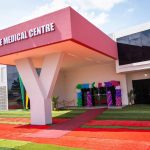

Sekyere Kumawu, Ghana – December 2025 – In a bid to tackle poverty and advance inclusive development, the District Assembly of Sekyere Kumawu launched a targeted economic‑empowerment programme for Persons With Disabilities (PWDs).
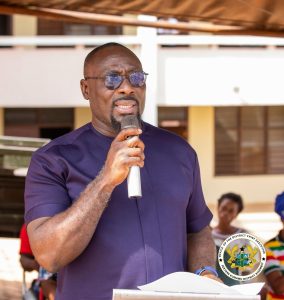
The initiative, which handed out a range of productive assets, is designed to give beneficiaries the tools they need to start or expand small‑scale enterprises and move toward self‑reliance.
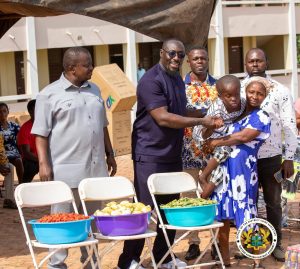
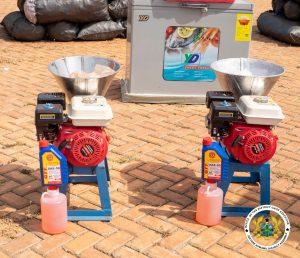
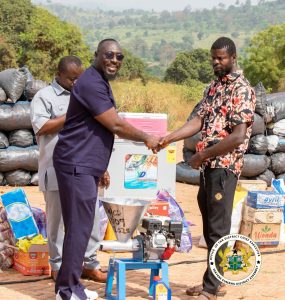
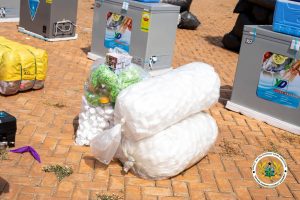
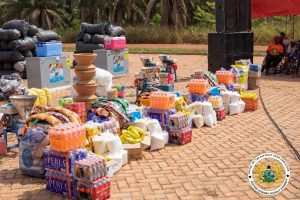
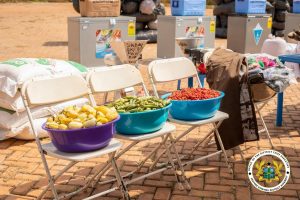
During a simple ceremony held at the district’s community centre, 45 PWDs received equipment such as deep freezers, fufu‑pounding machines, sewing machines and plumbing tools. Each item was presented as a starter kit, intended to serve as the foundation for a sustainable livelihood.


The assembly’s coordinating officer, Mrs. Esther Mensah, explained that the programme aligns with several United Nations Sustainable Development Goals, notably SDG 1 (No Poverty), SDG 8 (Decent Work and Economic Growth) and SDG 10 (Reduced Inequalities).

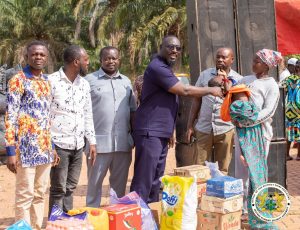
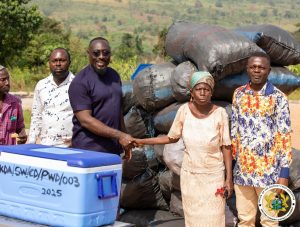
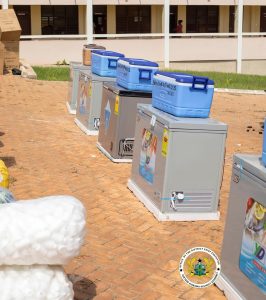
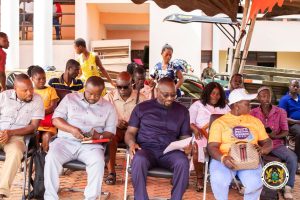
“The aim is to restore dignity and create pathways out of poverty for our disabled brothers and sisters,” Mrs. Mensah said. “When people are equipped with the right tools, they can contribute to the local economy, support their families and participate fully in community life.”
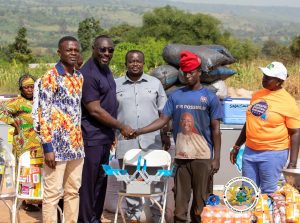
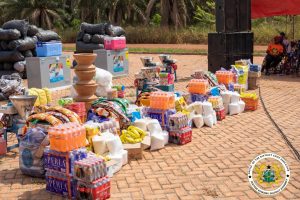
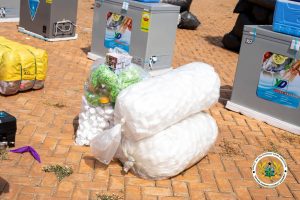
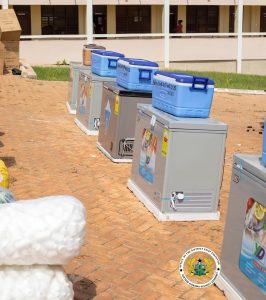
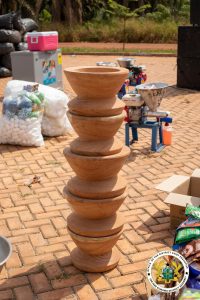
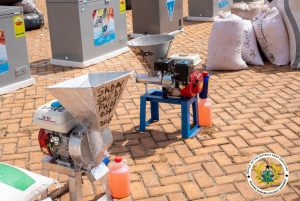

Beneficiaries expressed gratitude and optimism. Samuel Owusu, a 32‑year‑old tailor who received a sewing machine, said the gift would allow him to increase his output and take on more orders. “I can now work faster and earn more, which means I can pay for my medication and help my children with school fees,” he said.
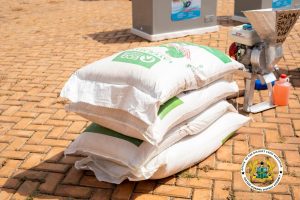
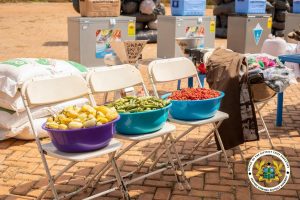
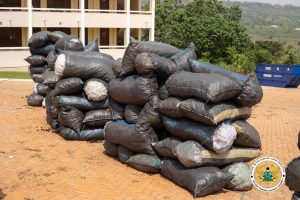

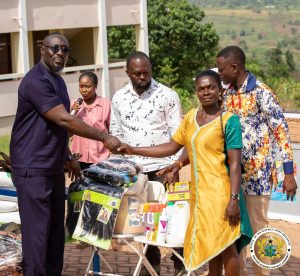
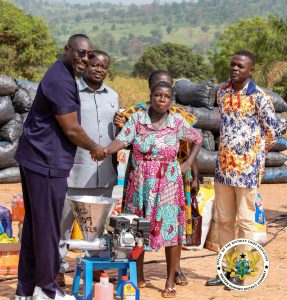
The programme also received support from local civil‑society groups and the Ministry of Gender, Children and Social Protection. In a brief remarks, the Ministry’s regional director, Mr. Joseph Amponsah, highlighted the government’s commitment to leaving no one behind. “Empowering PWDs is not just a moral imperative; it is an economic one. When we invest in their abilities, we unlock a broader base of productivity for the district,” he noted.
Funding for the initiative came from the District Assembly’s development budget, supplemented by a grant from the African Regional Capacity Building Programme (ARCC) and contributions from the National Democratic Congress (NDC) regional chapter, which has pledged continued support for community‑driven projects.
The Sekyere Kumawu effort mirrors a national push to integrate PWDs into the mainstream economy. According to the Ghana Statistical Service, persons with disabilities represent about 3 % of the country’s population, yet they face higher rates of unemployment and poverty. Programs like this one are seen as practical steps toward meeting the targets set out in Ghana’s National Disability Policy and the broader SDG framework.
As the equipment is put to use, the District Assembly plans to monitor progress through quarterly reports and community feedback sessions. “We will track how many businesses become viable, how many jobs are created, and how household incomes improve,” Mrs. Mensah added. “Our goal is to replicate this model in other districts and, ultimately, contribute to a more inclusive Ghana where everyone can thrive, regardless of physical ability.”
The initiative has already sparked interest from neighbouring districts, signaling that the “Sekyere Kumawu model” could become a blueprint for disability‑focused economic empowerment across the region.